
How the 50-mm Lens Became ‘Normal’.
It’s often called the optic that best approximates human vision, but the approximation is relative. An Object Lesson.
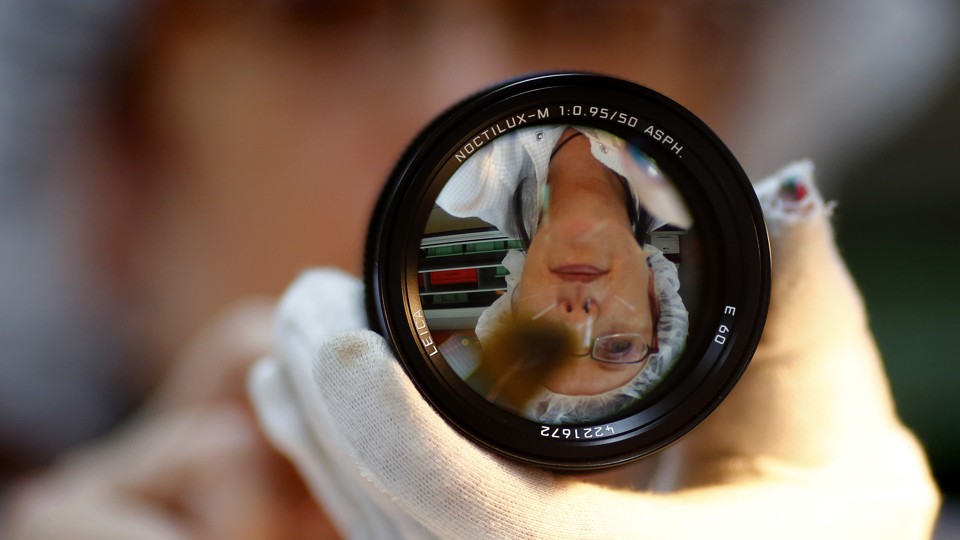
It was the curved shape of the lens that led to its name being borrowed, in the late 17th century, from the Latin name of the lentil plant, lens culinaris. In French, another word for a lens is objectif — suggesting truth and impartiality. While objectif had been used since the 17th century to describe the optical glass of scientific instruments like telescopes and microscopes, one of its earliest uses as a name for photographic optics was in Jules Verne’s 1874 novel The Mysterious Island. A group of Americans stranded in the South Pacific take a photograph of the horizon. One of the castaways, Herbert, discovers a speck on the photographic plate. While he first assumes the speck to be a defect in the lens, he realizes that the photograph reveals a ship on the horizon of their deserted island. Unfortunately for Herbert and the other castaways, they soon discover that the ship is crewed by dangerous pirates. The lens purports to show the world as it really is, but that’s also a goal it can never reach.
It’s often called the optic that best approximates human vision, but approximation is relative.
Source: How the 50-mm Camera Lens Became ‘Normal’ – The Atlantic